_edited.jpg)
Enhancing Midlife Health: The Role of Personalized Care Plans in Hormone Replacement and GLP1 Management

Midlife often brings significant changes in health and well-being. Many individuals face challenges such as hormonal imbalances, weight management issues, and metabolic shifts that affect their quality of life. Medical management combined with personalized care plans that integrate medicine, movement, and community support can greatly improve outcomes. This approach is especially effective when managing hormone replacement therapy (HRT) and GLP-1 medication, which are increasingly used to address midlife health concerns.
This article explores how tailored care plans that blend medical treatments with lifestyle and social factors increase success rates in midlife health management.
Understanding Midlife Health Challenges
Midlife, typically defined as ages 40 to 65, is a period marked by physiological changes that can impact energy, metabolism, mood, and overall health. Common issues include:
Hormonal fluctuations, especially in women undergoing menopause and men experiencing andropause
Weight gain and difficulty losing fat, often linked to slower metabolism
Increased risk of type 2 diabetes and cardiovascular disease
Changes in muscle mass and bone density
Mental health challenges such as anxiety and depression
These challenges require more than just medication. A comprehensive approach that addresses the whole person is essential for lasting health improvements.
The Role of Hormone Replacement Therapy in Midlife
Hormone replacement therapy helps restore hormone levels to a more balanced state, alleviating symptoms like hot flashes, mood swings, fatigue, and decreased libido. For many, HRT improves quality of life and reduces risks associated with hormone deficiency, such as osteoporosis.
However, hormone therapy is not one-size-fits-all. Personalized care plans consider:
Individual hormone levels and symptoms
Medical history and risk factors
Lifestyle habits and preferences
Adjusting hormone types, doses, and delivery methods ensures better tolerance and effectiveness. Regular monitoring helps fine-tune treatment and avoid side effects.
GLP-1 Medication Management for Metabolic Health
Glucagon-like peptide-1 (GLP-1) receptor agonists are a class of medications originally developed for type 2 diabetes. They help regulate blood sugar, reduce appetite, and promote weight loss. Recently, GLP-1 medications have gained attention for their role in managing obesity and metabolic syndrome, common issues in midlife.
Incorporating GLP-1 therapy into a personalized care plan involves:
Assessing metabolic health markers such as blood glucose, insulin resistance, and lipid profiles
Setting realistic weight and health goals
Combining medication with nutrition and physical activity guidance
GLP-1 medications work best when paired with lifestyle changes, making a holistic plan essential.

Integrating Movement into Midlife Health Plans
Physical activity is a cornerstone of midlife health. Movement supports hormone balance, improves insulin sensitivity, maintains muscle mass, and boosts mood. Personalized care plans include tailored exercise programs that fit individual abilities and preferences.
Examples of effective movement strategies:
Strength training to counteract muscle loss and support metabolism
Aerobic exercises like walking, cycling, or swimming for cardiovascular health
Flexibility and balance exercises such as yoga or Pilates to reduce injury risk
Incorporating daily activity goals, like step counts or active breaks
Healthcare providers can collaborate with fitness professionals to design safe, enjoyable routines that encourage long-term adherence.
Building Community Support for Better Outcomes
Social connections influence health behaviors and emotional well-being. Community support can motivate individuals to stick with their care plans and reduce feelings of isolation common in midlife transitions.
Ways to include community in personalized care:
Group exercise classes or walking clubs
Support groups for hormone therapy or weight management
Online forums or apps that track progress and provide encouragement
Family involvement in lifestyle changes
Community engagement creates accountability and shared experiences, which improve success rates.
Case Study: Combining Hormone Replacement, GLP-1, Movement, and Community
Consider a 52-year-old woman experiencing menopausal symptoms, weight gain, and low energy. Her personalized care plan includes:
Hormone replacement therapy tailored to her hormone levels and symptoms
GLP-1 medication to support weight loss and improve blood sugar control
A customized exercise program focusing on strength and aerobic fitness
Participation in a local wellness group for motivation and social support
Over six months, she reports reduced hot flashes, a 10% weight loss, improved mood, and increased stamina. Regular follow-ups allow her healthcare team to adjust treatments and celebrate milestones.
Monitoring and Adjusting Personalized Care Plans
Success in midlife health management depends on ongoing evaluation. Personalized plans require:
Regular lab tests to monitor hormone levels, glucose, and other markers
Symptom tracking to assess treatment effectiveness
Open communication between patient and healthcare team
Flexibility to modify medications, exercise, or community involvement as needed
This dynamic approach ensures care remains aligned with changing needs and goals.
Practical Tips for Patients Starting Personalized Midlife Care
Share your full health history and lifestyle habits with your provider
Set clear, achievable goals for symptoms, weight, and fitness
Be honest about challenges and preferences to tailor your plan
Stay consistent with medications and lifestyle changes
Seek out community resources that fit your interests
Keep a health journal to track progress and symptoms
Taking an active role in your care increases the chances of success.
Midlife health challenges require more than isolated treatments. Personalized care plans that combine hormone replacement, GLP-1 medication, movement, and community support offer a comprehensive path to improved well-being. By addressing the whole person and adapting over time, these plans help individuals regain energy, manage weight, and enhance quality of life during this important stage.
1
Searing the Beef
Sear beef fillets on high heat for 2 minutes per side to form a golden crust. Let it cool before proceeding to keep the beef tender.
1
Searing the Beef
Sear beef fillets on high heat for 2 minutes per side to form a golden crust. Let it cool before proceeding to keep the beef tender.
1
Searing the Beef
Sear beef fillets on high heat for 2 minutes per side to form a golden crust. Let it cool before proceeding to keep the beef tender.
1
Searing the Beef
Sear beef fillets on high heat for 2 minutes per side to form a golden crust. Let it cool before proceeding to keep the beef tender.
Notes



1
Season the good fresh beef fillets with salt and black pepper. Heat olive oil in a pan over high heat and sear the fillets for 2 minutes per side until it fully browned. Remove the beef from the pan and brush with a thin layer of mustard. Let it cool.
1
Season the good fresh beef fillets with salt and black pepper. Heat olive oil in a pan over high heat and sear the fillets for 2 minutes per side until it fully browned. Remove the beef from the pan and brush with a thin layer of mustard. Let it cool.
1
Season the good fresh beef fillets with salt and black pepper. Heat olive oil in a pan over high heat and sear the fillets for 2 minutes per side until it fully browned. Remove the beef from the pan and brush with a thin layer of mustard. Let it cool.
1
Season the good fresh beef fillets with salt and black pepper. Heat olive oil in a pan over high heat and sear the fillets for 2 minutes per side until it fully browned. Remove the beef from the pan and brush with a thin layer of mustard. Let it cool.
Instructions
Quality Fresh 2 beef fillets ( approximately 14 ounces each )
Quality Fresh 2 beef fillets ( approximately 14 ounces each )
Quality Fresh 2 beef fillets ( approximately 14 ounces each )
Beef Wellington
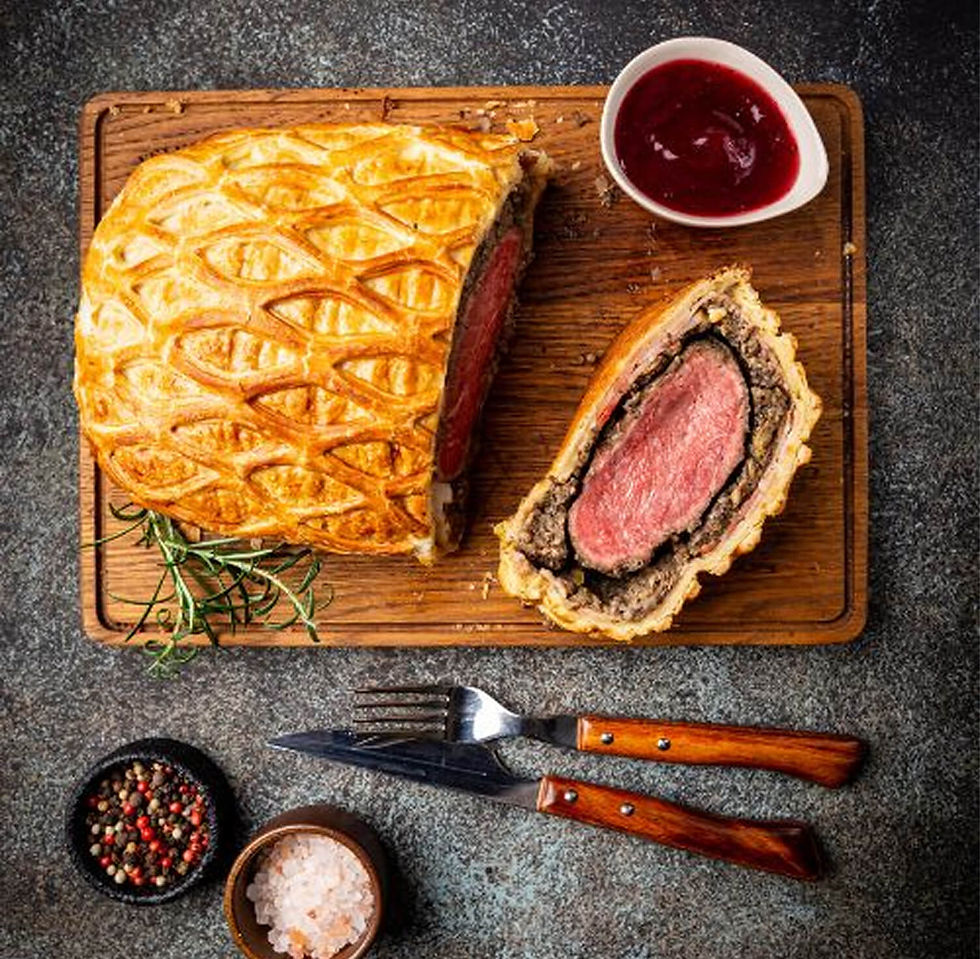
Beef Wellington
Fusion Wizard - Rooftop Eatery in Tokyo
Author Name
%20(1).jpg)
Beef Wellington is a luxurious dish featuring tender beef fillet coated with a flavorful mushroom duxelles and wrapped in a golden, flaky puff pastry. Perfect for special occasions, this recipe combines rich flavors and impressive presentation, making it the ultimate centerpiece for any celebration.
Servings :
4 Servings
Calories:
813 calories / Serve
Prep Time
30 mins
Prep Time
30 mins
Prep Time
30 mins
Prep Time
30 mins


Comments